Keeping It Player: Jay Ant, the Bay, and a Sound That Raised a Generation
By Stetson Hines February 9th, 2026
I grew up listening to Jay Ant during my freshman year at City College of San Francisco, back when MySpace was still the launchpad for a whole movement. That era wasn’t just about music—it was about identity, survival, and learning how to carry yourself in a city that has always demanded respect.
At the same time, the Bay Area was witnessing the rise of a new sound, led by The Pack and their breakout hit Vans. That record cracked the door wide open, making room for groups like The Dilligentz and countless others who followed. What made that wave special wasn’t just the beats—it was how relatable it felt. You could see yourself in it. You could be it.
Both The Pack and the Dilligentz helped me lock into a certain way of dressing, moving, and thinking—how to gig, how to talk, and how to keep it player while growing up in San Francisco. This city has long been known as the “Sucka Free City,” and that reputation isn’t accidental. If you were from the Fillmore or Bayview-Hunters Point, you had to dress a certain way and carry yourself with intention. How you walked, how you spoke, how you handled pressure—it all mattered.
That lineage is exactly why so many people today gravitate toward artists like Larry June, whose entire mantra revolves around “keeping it player.” That philosophy didn’t just appear—it was passed down. And Jay Ant has always embodied it.
In 2012, Jay Ant cemented that energy with STOOPID, his collaborative album with IAMSU!. One of my favorite tracks from that project, That N*GGA, stayed on repeat as I walked around City College—head on a swivel, ready to pop at anything. It was music that matched the environment: confident, unfiltered, and unapologetically Bay.
He followed that project with Blue Money, which further showcased his evolution. Tracks like “Aliens,” produced by Trakademiks and featuring 1-O.A.K. Import, highlighted not only Jay Ant’s sharp ear for production but also his distinct cadence on the microphone. He was one of the first artists I ever heard rap with that laid-back yet aggressive Bay delivery—half conversational, half confrontational—where every bar felt like game being dropped in real time.
That cadence, that tone, that presence—it all reflected a multitalented artist who could produce, write, and perform without losing authenticity. Jay Ant wasn’t chasing trends; he was setting a standard. His music mirrored the way we talked, moved, and survived in San Francisco, and in doing so, he helped shape a generation’s understanding of what it truly means to keep it player.
In the end, Jay Ant’s legacy isn’t just about albums or songs—it’s about culture. It’s about carrying yourself with confidence in a city that taught us early how to stand on business, stay sharp, and never fold. For those of us who grew up in that era, his music wasn’t just something we listened to—it was something we lived.
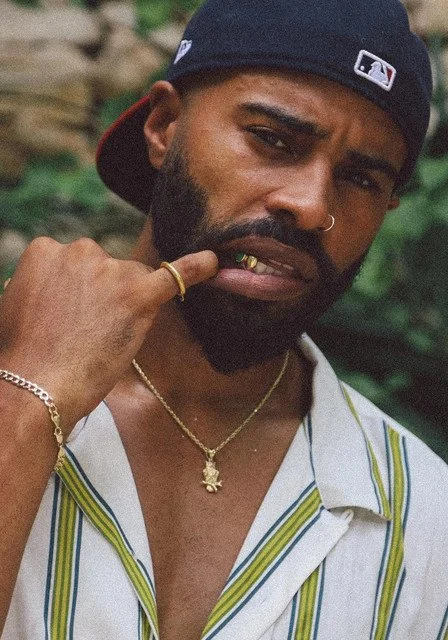
Keeping It Player: Jay Ant, the Bay, and a Sound That Raised a Generation